Learn how to tell nerve numbness from circulation numbness, why nerve damage adds up over time, and how to lower your risk without giving up rope.
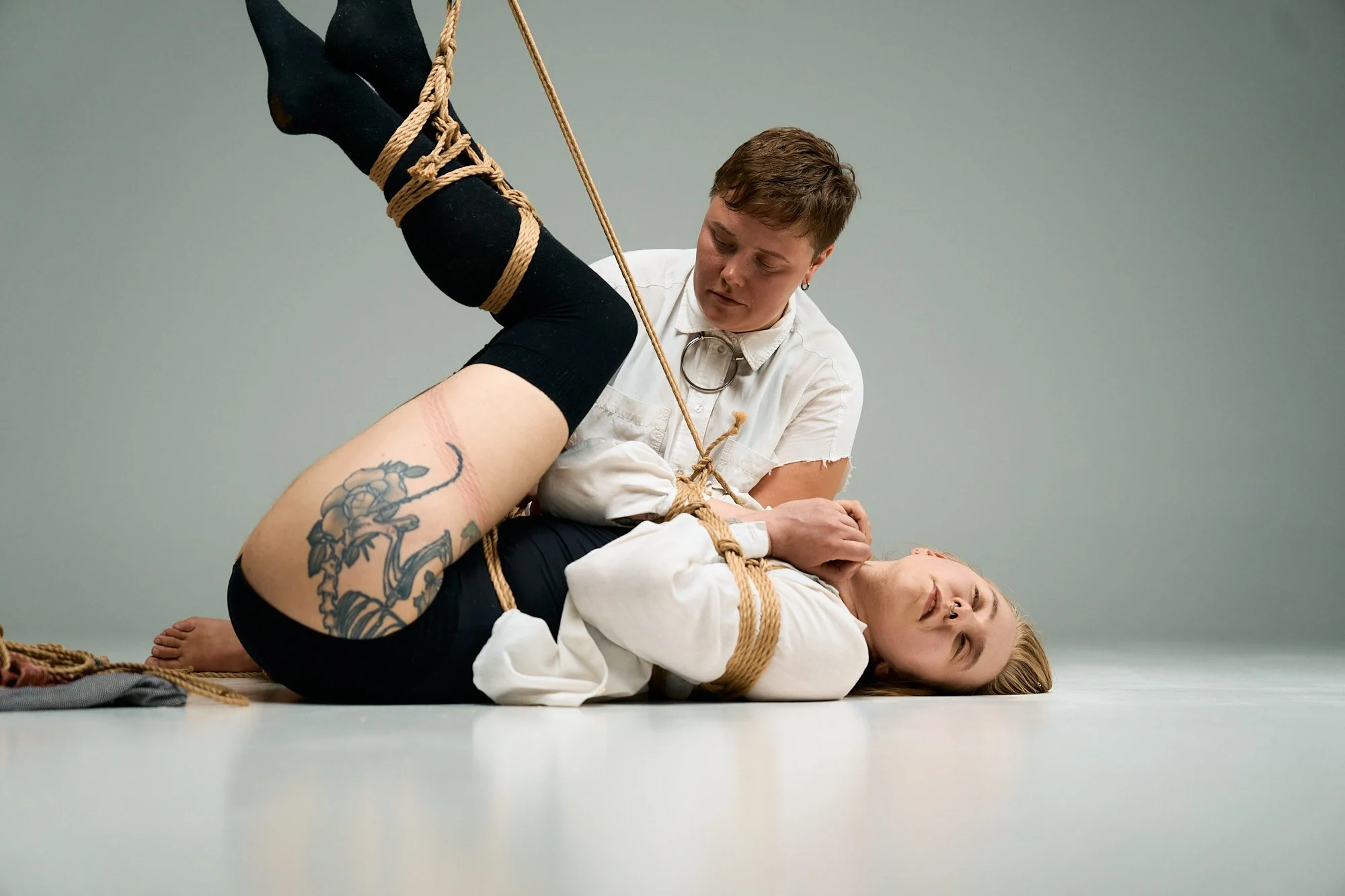
Nerves are the part of rope safety that causes the most lingering trouble. Circulation problems announce themselves loudly and mostly sort themselves out when you untie. Nerve problems can be quieter, harder to catch, and a lot more annoying. Here are five things worth knowing before your next tie.
1. Part of the hand numb is nerves, all of it numb is circulation (mostly)
Numbness is the first thing most of us learn to check for, but where it shows up matters. If just a part of the hand goes numb, say the ring finger and pinkie, or the back of the hand, that points to a specific nerve being unhappy. Tingling in the ring finger and pinkie, for example, is the classic ulnar nerve signature. If the whole hand goes numb, you're more likely looking at circulation. You might then think that if you're numb all over, you're safe, but circulation problems can mask nerve problems.
A completely numb hand doesn't tell you much about individual nerves, so once blood flow is sorted, check sensation again. I like to scratch my fingers on the inside and outside. Others suggest doing strength checks, but I find those just make circulation issues worse. That being said, if I feel like my hand moves like it's in butter, I will check my strength in different directions - gripping, pushing outwrds, and twisting.
2. Nerve damage is cumulative, so "fine last time" doesn't count for much
You can tie the same harness fifty times with no trouble and still get hurt on the fifty-first. Nerves don't reset to factory settings between sessions. Every bit of compression, impingement, or stretch adds to the tally, and every time a nerve gets angry adds to the risk of permanent issues. That also means a minor tingle you shrugged off last month is relevant information today. Being fine once is a data point, not a guarantee. Treat your history with a position or tie as a reason to be more careful, not less.
3. It isn't always the rope's fault
Rope gets blamed for everything, and sometimes it deserves it. But nerve trouble can also come from the position itself, from a limb held bent or twisted for too long, from body weight resting on an arm, or from the body getting in its own way (some shoulders really want to punish the whole arm).
People are built differently, and nerve maps aren't reliable because every body is different. A tie that's perfectly fine on one person can be a problem on another, with identical rope placement. So when something goes numb, don't only ask "where is the rope?" Ask "what is this arm doing, and what is the rest of the body doing to it?"
4. Painkillers won't fix a nerve injury
Ibuprofen is great for a lot of things. Repairing a nerve isn't one of them. Anti-inflammatories and painkillers can take the edge off the pain and reduce swelling, which is lovely, but they don't heal the nerve, and feeling less pain isn't the same as being better.
If you have persistent numbness, tingling, burning pain or weakness, go see a professional. A doctor or physiotherapist can tell you what's actually going on and what recovery should look like. Don't tough it out if it's affecting daily life. Weakness can result in secondary injuries.
5. You can't remove the risk, but you can manage it
Shibari always carries some nerve risk, full stop. No harness and no technique makes it zero. What you can do is stack the odds in your favor. Tie floor-based more often. Change positions rather than parking someone in one for ages. Use different harnesses, so the same spots aren't taking the same load every time. Give the body proper time to recover between suspensions.
And don't rush it or chase the frenzy of the next big thing. Rope is a long game, and the people still tying happily in ten years are usually the ones who did things sustainably.
Want to learn safer techniques? Book a private lesson.
This is only a taste. The full article covers anatomy, circulation, first aid and much more. Read the full article here.